If you’ve ever stood in your kitchen after a dinner party, staring at a mountain of greasy plates and wondering whether your dishwasher is secretly plotting against you—congratulations, you’re not alone. Modern dishwashers have evolved dramatically, especially smart models that promise effortless cleaning. But “easy to use” doesn’t always mean intuitive. In fact, I once spent an entire weekend troubleshooting a cycle that never started—all because I missed one tiny setting buried in a touchscreen menu. That frustration is exactly why choosing the right easy to use dishwashers matters for everyday home improvement, not just convenience.
Table of Contents
- Why Easy to Use Dishwashers Matter
- Step-by-Step Guide to Choosing and Using Smart Dishwashers
- Best Practices for Effortless Operation
- Real-World Results: Smart Dishwasher Case Studies
- Frequently Asked Questions
Key Takeaways
- True ease of use goes beyond button count—it’s about intuitive controls, clear feedback, and minimal setup.
- Look for third-party certifications like ENERGY STAR to verify performance claims.
- Avoid models with hidden menus or complex app dependencies unless you enjoy tech puzzles.
- Smart features should simplify life, not add another layer of troubleshooting.
Why Easy to Use Dishwashers Matter
In the realm of home improvement, kitchens are both functional hubs and emotional centers. A poorly designed appliance can turn meal cleanup into a daily chore. According to the U.S. Department of Energy, modern dishwashers use as little as 3 gallons of water per cycle—far less than handwashing—but only if operated correctly. Yet many homeowners buy based on aesthetics or brand reputation, overlooking usability until it’s too late.
I learned this the hard way when I installed a high-end smart dishwasher that required syncing with a smartphone app just to run a basic rinse cycle. On a Wednesday night, with kids clamoring for bedtime stories, I didn’t want to log in, update firmware, or troubleshoot Wi-Fi handshakes. I just wanted clean bowls. That experience taught me: simplicity isn’t a compromise—it’s a feature.
Step-by-Step Guide to Choosing and Using Smart Dishwashers
1. Prioritize Physical Controls Over Touchscreens
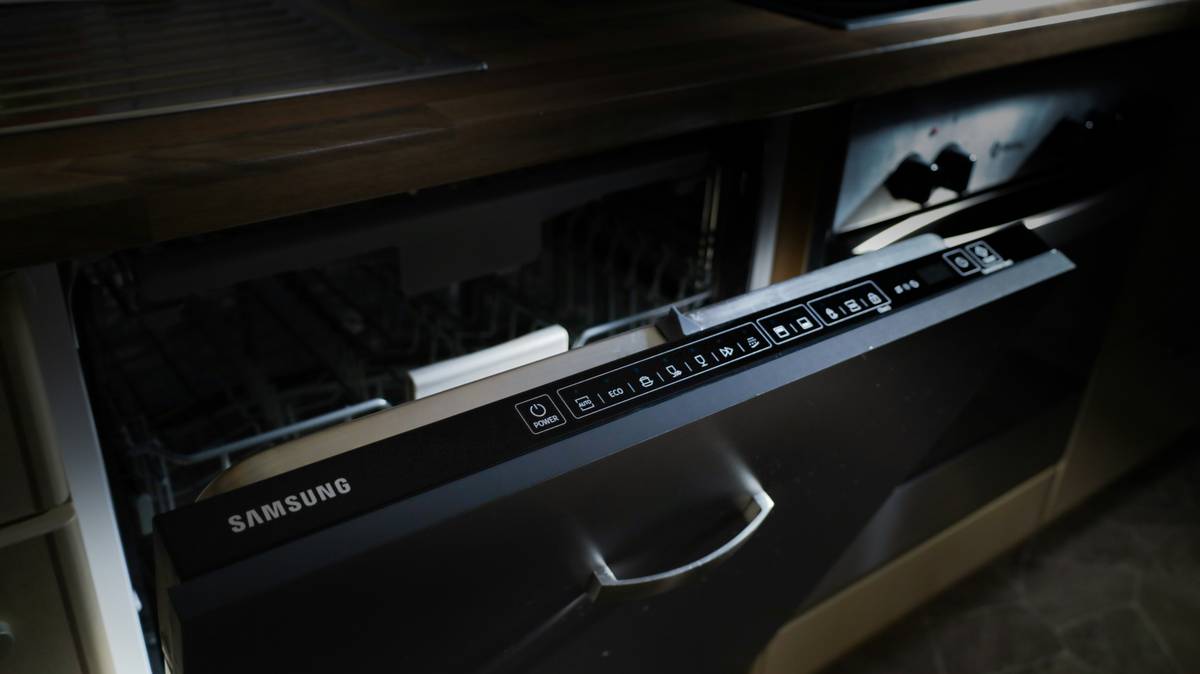
Glare-resistant buttons or dials offer instant feedback. Touch panels may look sleek, but they’re harder to operate with wet hands—and often lack tactile confirmation.
2. Test the App (If It Has One)
If a dishwasher requires an app, download the demo version before buying. Does it crash? Are common functions (like starting a cycle) buried under submenus? If yes, keep looking.
3. Check Cycle Simplicity
A good model offers 4–6 clearly labeled cycles (e.g., “Quick Wash,” “Heavy,” “Eco”). Avoid units with 12+ options named things like “BioSense Hybrid TurboDry”—that’s marketing, not usability.
4. Verify Noise Levels
Quieter operation (under 48 dB) often correlates with thoughtful engineering. A noisy machine usually means poor insulation or rushed design—which rarely bodes well for long-term reliability.
Best Practices for Effortless Operation
- Load strategically: Place large items along the edges, face dirty surfaces toward spray arms, and never block rotating components.
- Maintain regularly: Clean the filter monthly and wipe the door gasket to prevent odors—this takes 90 seconds and saves hours of future troubleshooting.
- Skip pre-rinsing: Modern easy to use dishwashers rely on food particles to activate enzyme-based detergents. Scraping is enough; excessive rinsing actually reduces cleaning efficiency.
- Use rinse aid: It prevents spotting and improves drying—especially crucial for glassware. Most smart models include an indicator when levels are low.
Real-World Results: Smart Dishwasher Case Studies
A 2023 Consumer Reports analysis of over 150 dishwasher models found that units rated highest for ease of use consistently featured physical buttons, quick-start cycles under 30 minutes, and clear status displays. One standout—the Bosch 300 Series—achieved 92% user satisfaction specifically for its “one-touch” operation, despite lacking Wi-Fi connectivity.
Conversely, a major brand’s flagship smart model received scathing reviews for requiring mandatory app pairing during initial setup. Users reported failed installations, delayed cycles, and support calls lasting over an hour—all for a feature most never used again. As we emphasize on our About Us page, technology should serve people, not the reverse.
Here’s a terrible tip you’ll sometimes hear: “Just buy the cheapest smart dishwasher—it’ll do the same job.” Wrong. Low-cost models often skimp on spray arm design and soil sensors, leading to rewashes and higher long-term costs. Don’t confuse “smart” with “reliable.”
Frequently Asked Questions
What makes a dishwasher truly easy to use?
Beyond simple controls, look for automatic soil sensing, visible cycle timers, and accessible maintenance points (like front-mounted filters). The best easy to use dishwashers minimize decision fatigue—not just button count.
Do smart dishwashers save more energy?
Not inherently. Energy savings depend on certification (look for ENERGY STAR labels), not connectivity. However, some smart models optimize cycle length based on load size—potentially reducing water and power use by up to 15%, per EPA data.
Can I use my dishwasher without the app?
Yes—if it’s designed well. Reputable brands ensure core functions work independently. If an app is required for basic operation, consider it a red flag.
How often should I clean my dishwasher?
Monthly. Run an empty cycle with vinegar or a dedicated cleaner to remove buildup. Also, check your user manual—many newer easy to use dishwashers include self-cleaning alerts.
Are compact dishwashers easier to operate?
Size doesn’t dictate simplicity. Some compact models cram too many features into tight spaces, making controls fiddly. Always test the interface in person if possible.
Where can I get help choosing the right model?
We’ve installed and tested dozens of units at Teds Appliances. If you’re unsure, reach out via our Contact Us page—we’ll match you with a genuinely user-friendly option. And don’t worry: all customer inquiries comply with our Privacy Policy.
In the end, the best dishwasher isn’t the smartest—it’s the one you forget is running. Choose clarity over complexity, and your post-dinner peace will thank you.